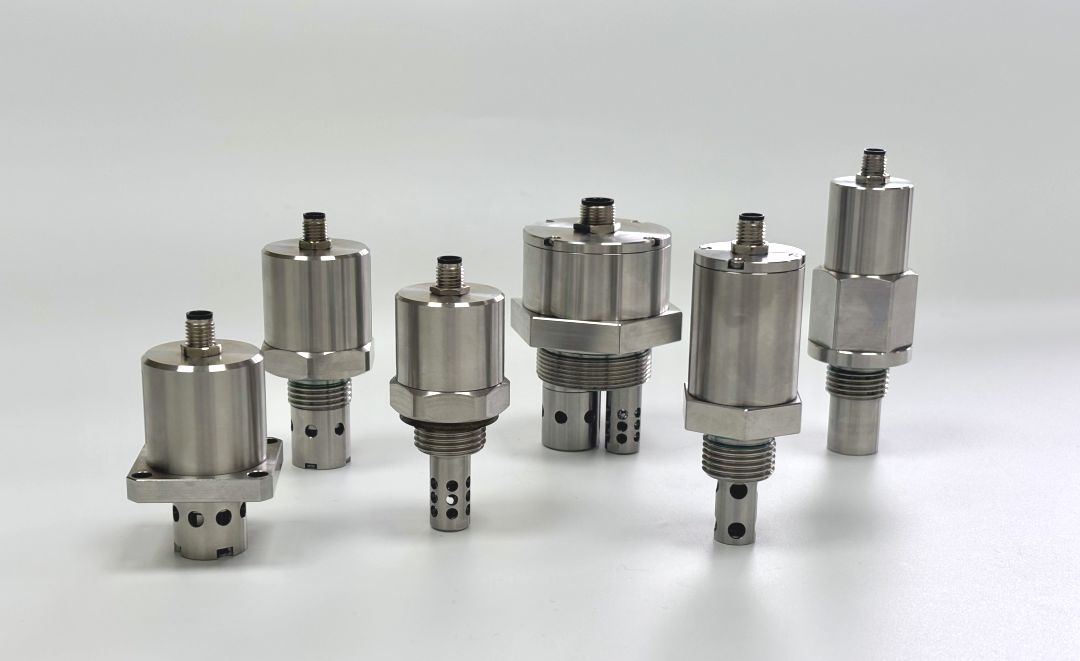
In modern mechanical equipment, oil sensors act as the system's "health monitors," continuously tracking critical parameters such as hydraulic oil pressure, temperature, and fluid level to ensure efficient and safe operation. Whether used in construction machinery, marine vessels, aircraft, or industrial automation systems, proper and standardized installation and maintenance are the fundamental prerequisites for ensuring the accuracy and reliability of oil sensors.
Below is a set of oil sensor installation and maintenance guidelines compiled from industry best practices and technical standards, designed to help you achieve precise monitoring and long-term stable performance.
I. Pre-Installation Preparation: Precise Matching, Environment First
1. Model Selection & Compatibility Assurance
Select an appropriate sensor according to the equipment model and hydraulic system parameters (such as pressure range, flow rate, and medium type).
Verify that the sensor's measuring range, output signal (e.g. 4–20 mA, square-wave pulse), and connection thread (e.g. M16 × 1.5) are compatible with the control system.
2. Review Technical Documentation
Refer to the equipment operation manual, maintenance guide, or manufacturer's technical documentation to identify the recommended installation location and method.
For special models (such as Komatsu excavators), it is advisable to consult professional service technicians or review original manufacturer documentation.
3. Tools & Materials Preparation
Prepare a torque wrench, sealant, PTFE tape, cleaning agents, and personal protective equipment.
Check that the sensor and accessories (such as sealing rings, flanges, and O-rings) are complete and free from damage.
4. System Cleaning & Safety Measures
Thoroughly clean the hydraulic pipelines before installation to prevent contaminants from affecting sensor accuracy or causing blockage.
Drain the oil tank or isolate the hydraulic circuit to ensure pressure-free operation, ensuring personnel and equipment safety.
II. Installation Process: Standardized Operation, Details Make the Difference
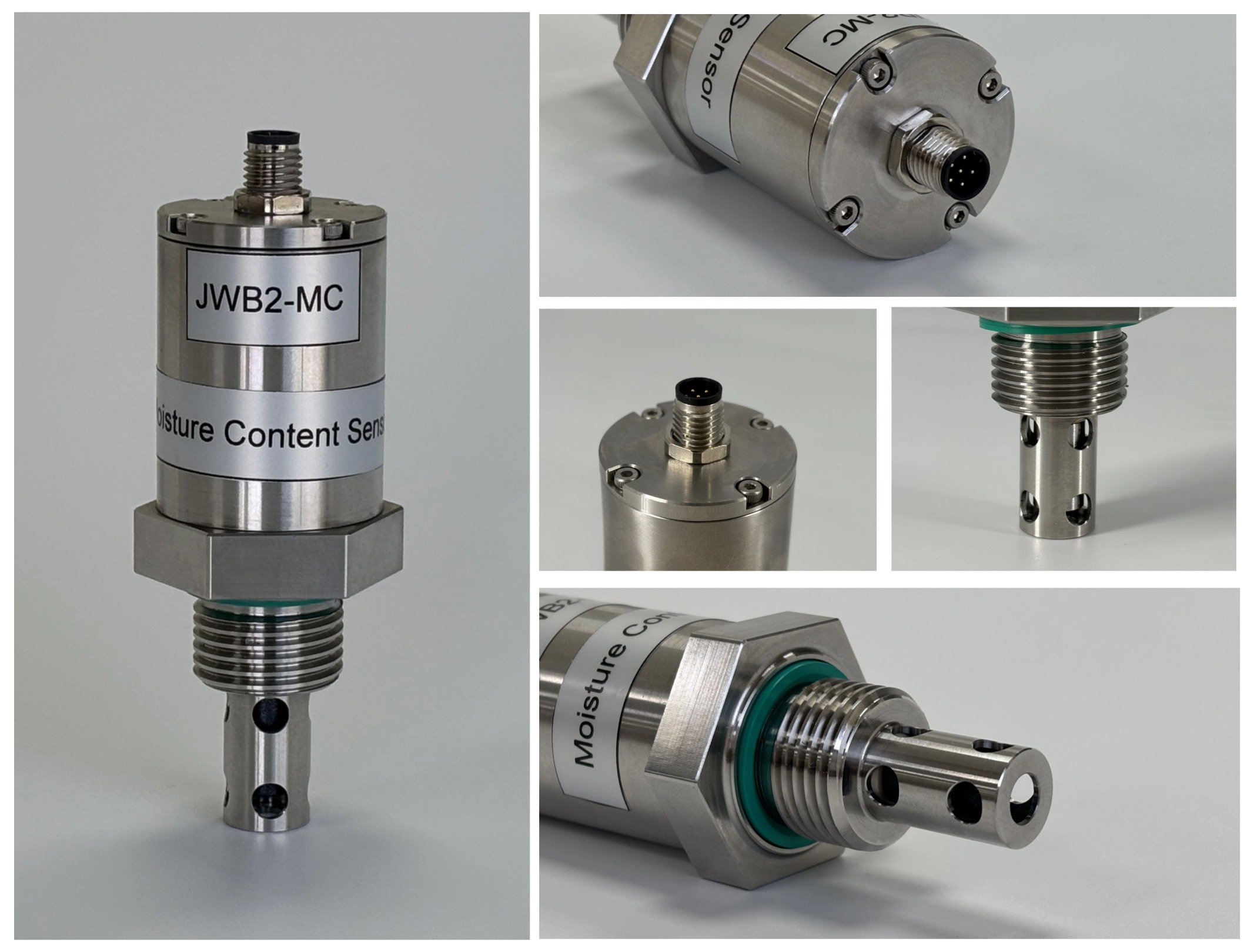
1. Proper Selection of Installation Location
Pressure sensors: Install in pressure-stable areas such as the main hydraulic line, hydraulic pump inlet/outlet, branch junctions, or the oil inlet of hydraulic cylinders.
Level sensors: Type A (immersed) should be installed in the middle of the oil tank, avoiding baffles and turbulence zones. Type B (in-line/pipe-mounted) should be installed where the oil flow inside the pipe is stable.
Avoid installation near elbows, tees, or valves to prevent vortices and pulsation from affecting measurement accuracy.
2. Ensure a Stable Installation Environment
The mounting point should be structurally solid and free from excessive vibration, high temperature, or strong electromagnetic interference.
Maintain a safe distance between the sensor and exhaust pipes or high-temperature components to prevent thermal radiation effects.
3. Standardized Installation Procedures
Thread alignment: Ensure the sensor thread is properly aligned with the mounting port. Hand-tighten initially to avoid cross-threading.
Torque control: Use a torque wrench and tighten according to the manufacturer's recommended torque. Do not overtighten to prevent damage to the housing or sealing surface.
Sealing assurance:
① Check that sealing rings are intact and correctly installed;
② Apply oil-resistant sealant or PTFE tape on threaded connections if required to enhance sealing performance.
4. Electrical Connection & Cabling
Perform wiring strictly in accordance with the instruction manual, clearly distinguishing the power supply, signal, and grounding terminals.
Use shielded cables and avoid routing them in parallel with power lines to prevent electromagnetic interference.
Ensure terminals are clean and securely tightened; connectors must be fully seated to avoid poor contact.
5. Pressure Tapping & Air Venting
When installing via impulse/pressure tapping tubing, ensure the pipeline is short, straight, and free of trapped air; install an air vent valve if necessary.
After installation, open the shut-off valve and slowly fill the system with oil, venting air gradually to prevent air locks that could cause abnormal readings.
III. Post-Installation Verification: Functional Testing to Ensure Reliability
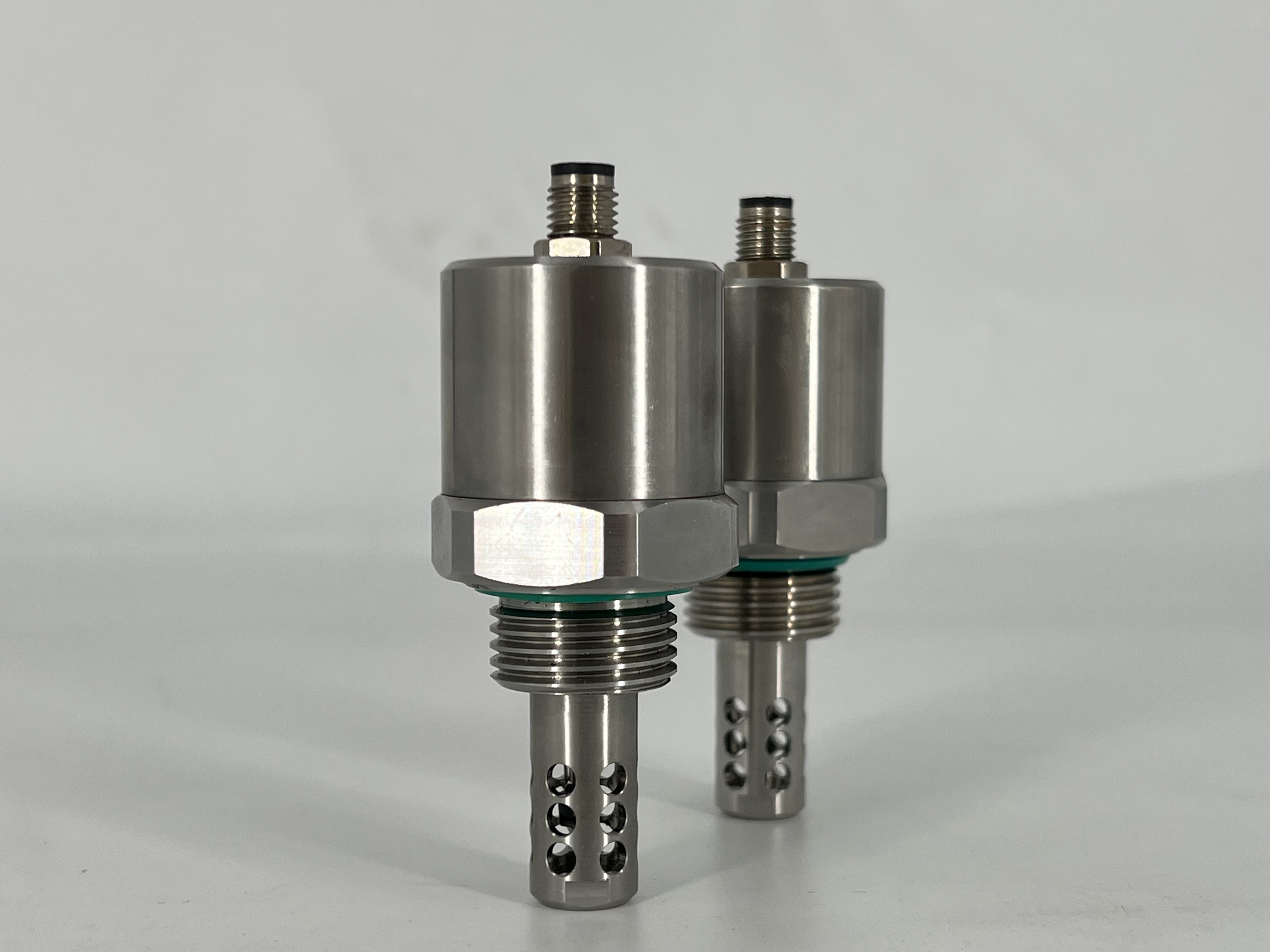
1. System Start-Up & Reading Observation
Start the hydraulic system and check whether the sensor output is normal via the control panel or diagnostic equipment.
Verify that pressure, level, and other readings are within a reasonable range and consistent with actual operating conditions.
2. Multi-Condition Calibration & Verification
Perform multi-parameter calibration under different loads, temperatures, and operating postures to ensure measurement consistency across all operating conditions.
Compare readings with a certified reference gauge; carry out zero and full-scale adjustments if necessary.
3. Leakage & Stability Inspection
Inspect the installation area for oil leakage or looseness.
Observe data fluctuations during extended operation to confirm long-term stabilityIV. Routine Maintenance: The Key to Long-Term Reliable Operation
IV. Routine Maintenance: The Key to Long-Term Reliable Operation
1. Regular Inspection
Check the sensor housing for damage, wiring for looseness, and seals for integrity.
Clean oil stains and dust from the sensor surface to prevent contamination from affecting heat dissipation or signal transmission.
2. Preventive Replacement
Replace wear parts such as sealing rings and filters periodically according to operating conditions and the manufacturer's recommendations.
Shorten maintenance intervals in high-vibration or highly contaminated environments.
3. Troubleshooting & Corrective Actions
Abnormal readings: Check wiring, power supply, and grounding; eliminate interference sources. Clean or replace the sensor if required.
Oil leakage: Inspect seals for aging and ensure the mounting surface is flat; reinstall and tighten properly.
Signal interruption: Check for cable breaks, connector oxidation (clean contacts if necessary), and blown fuses.
4. Data Monitoring & Record Keeping
Establish a sensor service log, recording installation dates, calibration data, and maintenance history.
Utilize system diagnostic functions to identify abnormal trends early and enable predictive maintenance.
V. Special Reminders: Safety and Professionalism Go Hand in Hand
Never install or remove sensors under pressure to prevent high-pressure oil spray and personal injury.
When replacing a sensor, it is recommended to change the hydraulic oil at the same time or filter it before refilling, to prevent contamination of the new sensor.
When working in teams, clearly define responsibilities and strictly follow safety procedures to ensure a controlled and safe process.
Conclusion
Although oil sensors are small components, they serve as the system's "eyes," safeguarding safe and reliable operation. Standardized installation and scientific maintenance are not only technical requirements but also a responsibility toward equipment lifespan and operational safety. By following the above guidelines, each sensor can become a reliable guardian of your equipment’s stable performance.
Friendly reminder: Differences may exist among oil sensor brands and models. Always refer to the manufacturer's technical documentation as the final authority. Professional tasks deserve professional handling—when faced with complex issues, contact qualified technical personnel promptly to ensure efficient and worry-free maintenance.
#JOINWE #OilSensor #Maintenance #HydraulicSystems #Installation #DataMonitoring #SafeOperation