In modern industrial operations, hydraulic power units, gearboxes, diesel engines and other heavy-duty core machinery serve as the irreplaceable backbone of continuous production. Lubricating oil is widely regarded as the "lifeblood" of this critical equipment, tasked with reducing friction, dissipating heat, sealing gaps and sustaining stable, long-term operation. Yet far too few plant managers, maintenance engineers and asset leaders fully recognize a silent, stealthy threat hiding within the oil: metal wear particles. These microscopic metal fragments act as an invisible killer, slowly eroding equipment integrity and emerging as the leading root cause of mechanical failures across manufacturing, energy, construction, marine, mining and heavy industrial sectors worldwide.
Industry data backs up the severity of this threat: more than 70% of mechanical component failures stem from abrasive wear caused by metal particles in lubricating oil. This makes particulate contamination not just a minor maintenance nuisance, but one of the costliest threats to asset reliability, operational uptime and production continuity for industrial businesses of all sizes.
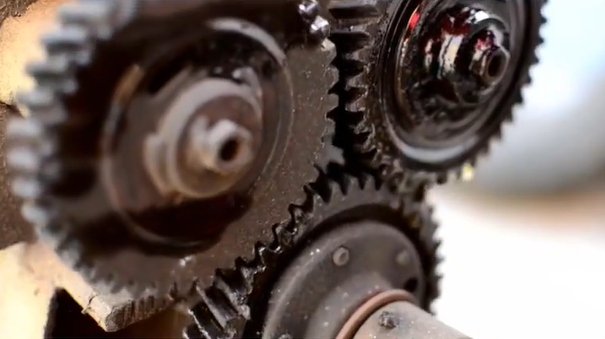
Metal wear particles are not accidental contaminants—they are a natural byproduct of normal equipment operation. Every time gears mesh, bearings rotate, hydraulic components slide, or metal surfaces rub against one another, minuscule metallic particles break away from the parent component and mix into the lubricating oil. At first glance, these micro-sized particles seem harmless and easy to overlook, but they set off a self-reinforcing destructive cycle that rapidly escalates equipment damage.
As the oil circulates through the system, these hard metal particles are carried into precision mating surfaces, acting as abrasive grit that scratches, gouges, and wears down critical components. This accelerated abrasive wear generates even more metal particles, which further compromise the oil’s lubricating, cooling, and protective properties. Over time, the cycle worsens: clearances widen, sealing surfaces are damaged, and equipment performance deteriorates sharply.
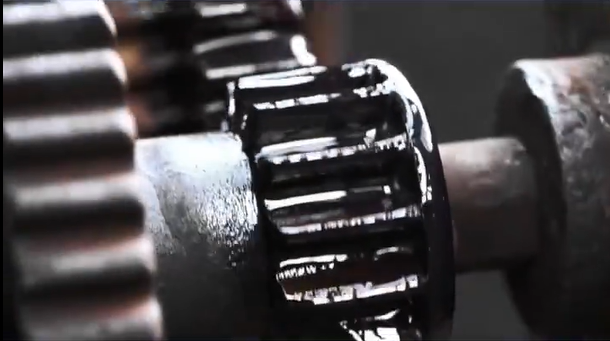
Left unaddressed, this gradual damage leads to persistent oil leaks, abnormal noise, component seizing, and sudden performance drops. In severe cases, minor wear escalates into catastrophic component failure, triggering unplanned downtime, costly emergency repairs, production halts, and even serious industrial safety incidents. The worst part? This damage often goes unnoticed until it is irreversible, as traditional monitoring methods fail to detect early-stage particle accumulation.
For decades, industrial maintenance teams have relied on traditional oil condition monitoring approaches: periodic manual sampling followed by off-site laboratory analysis. While this method provides some data, it suffers from critical flaws that make it ineffective for modern predictive maintenance:
Long testing cycles: Lab analysis takes days or even weeks, meaning results are outdated by the time they are received.
Poor timeliness: Cannot capture sudden, abnormal wear events that occur between sampling intervals, leaving equipment vulnerable to undetected damage.
Reactive maintenance only: By the time elevated particle levels are identified, significant component wear has already occurred, requiring costly repairs rather than simple preventive action.
This outdated, reactive and lag-prone monitoring approach is no longer sufficient to protect high-value industrial assets in today’s fast-paced, zero-downtime-focused production environments. What modern industry urgently needs is real-time, uninterrupted monitoring that catches abnormal wear at its earliest, reversible stage-before minor damage escalates into catastrophic, budget-breaking failures. That’s where the JOINWE JWM8 Oil Metal Wear Particle Sensor steps in, delivering a revolutionary, data-driven upgrade to industrial oil condition monitoring and predictive maintenance, with tailored technical strengths to solve every pain point of traditional monitoring methods.
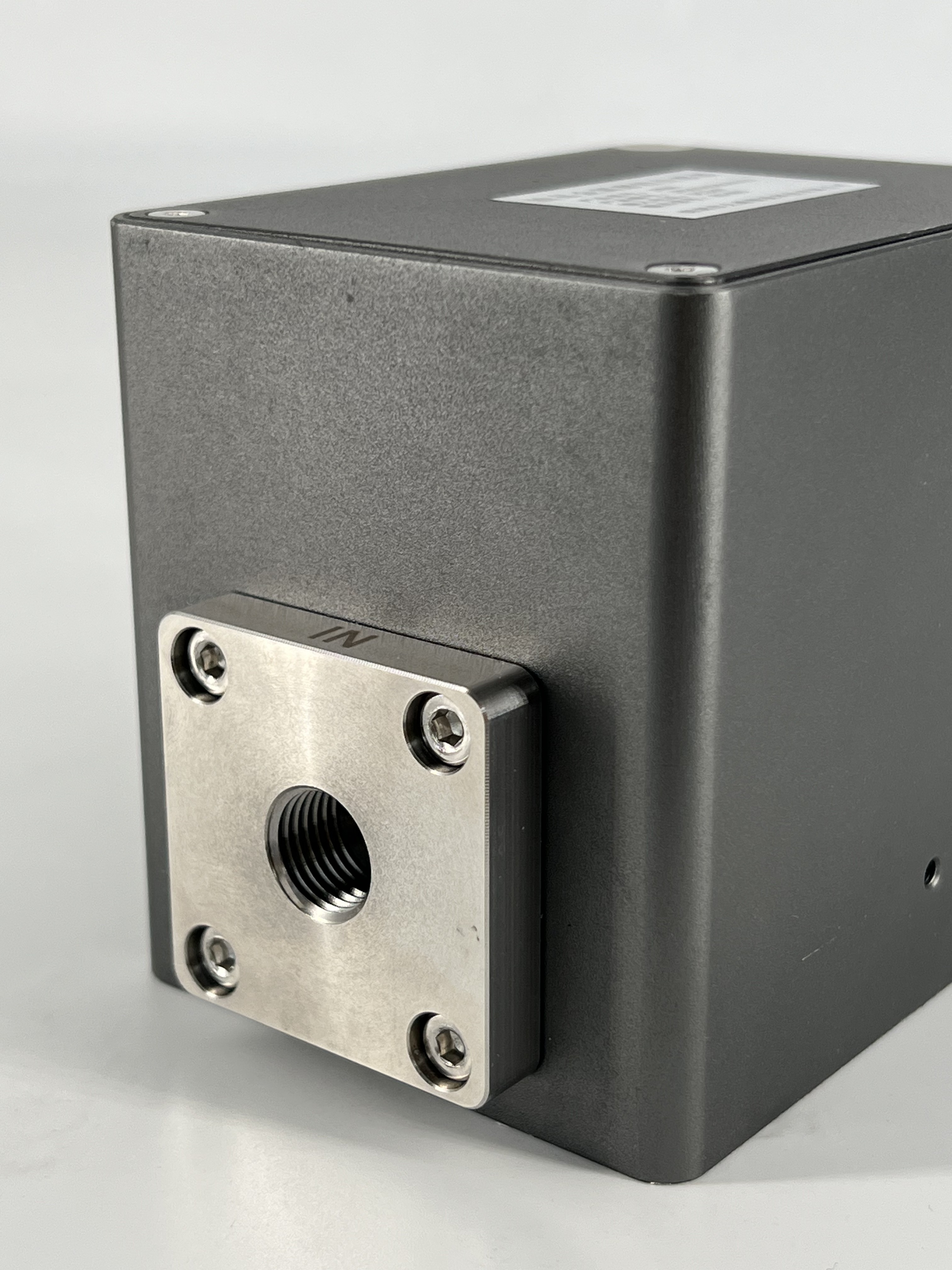
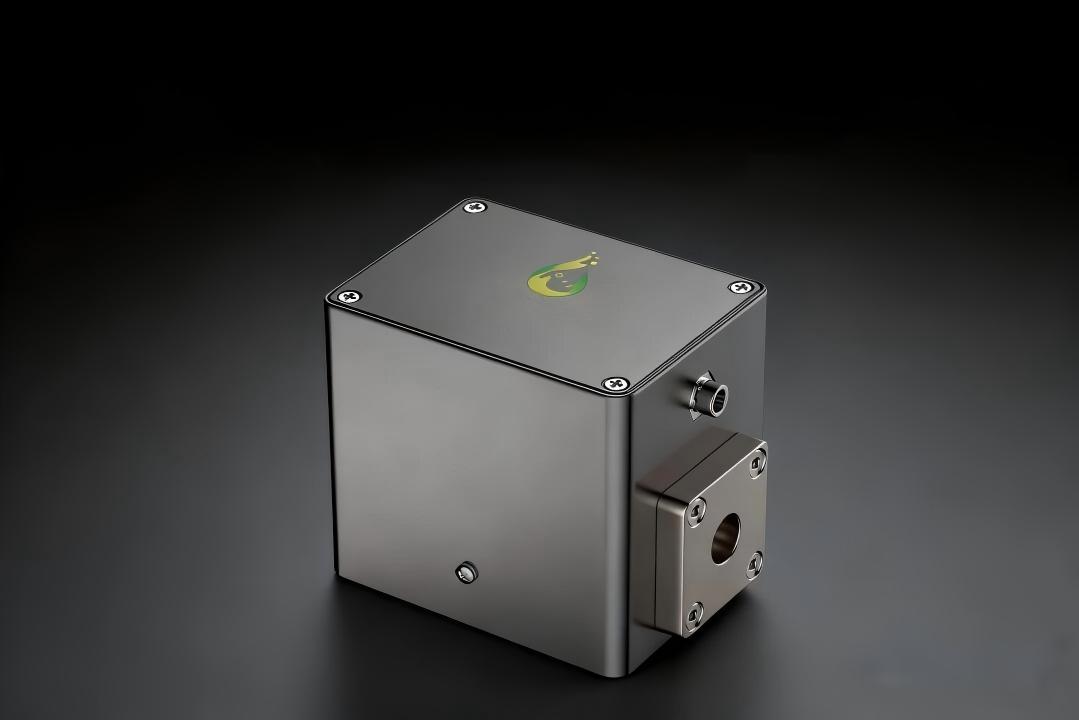
JOINWE JWM8 redefines industrial lubricating oil monitoring, replacing slow, manual periodic lab testing with24/7 non-stop intelligent real-time monitoring for instant, accurate metal wear particle detection and quantification. Built on advanced four-coil electromagnetic induction technology and paired with a high-precision signal acquisition and professional processing unit, this sensor is specially engineered for harsh industrial environments, ensuring stable, interference-free performance and laying a solid foundation for industry-leading monitoring accuracy.
Unlike basic single-function sensors with limited visibility or narrow detection scope, the JWM8 is designed to target core industrial maintenance pain points, with four core technical advantages that make it the ideal solution for proactive, early-warning equipment protection:
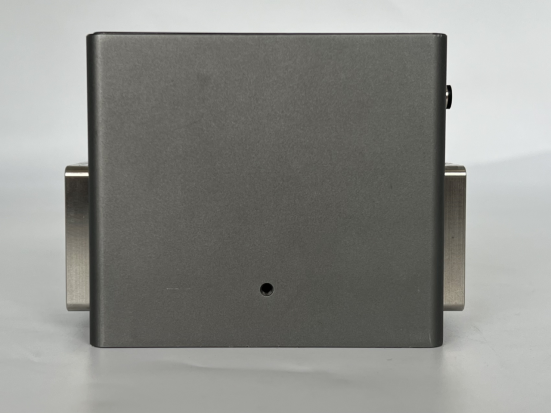
JOINWE JWM8 Oil Metal Wear Particle Sensor Core Technical Advantages
It simultaneously monitors and clearly distinguishes ferromagnetic particles (iron, steel) and non-ferromagnetic particles (copper, aluminum, brass), covering all common wear metals generated by gear meshing, bearing rotation, hydraulic component sliding and engine friction. This full-coverage capability eliminates monitoring blind spots, allowing teams to trace wear sources accurately instead of only detecting partial particles.
With industry-leading sensing sensitivity, it captures ferromagnetic particles as small as 40μm and non-ferromagnetic particles down to 150μm. This ultra-fine detection threshold picks up early-stage micro-wear that standard sensors completely miss, making it possible to spot potential failures long before visible damage occurs.
Customizable Particle Size Classification: The sensor supports adjustable, user-defined particle size tiers, enabling maintenance teams to categorize particles by size, assess wear severity in real time, and narrow down potential faulty components quickly. This targeted functionality turns raw monitoring data into actionable maintenance insights.
Stable High-Efficiency Detection: It delivers a minimum detection rate of ≥95%, with minimal false alarms and consistent continuous output. This high reliability ensures teams receive trustworthy data at all times, avoiding missed warnings or unnecessary alerts to support confident, data-driven maintenance decisions.
Backed by these robust, industry-leading technical strengths, the JWM8 is far more than a standard oil quality monitoring device-it acts as a reliable proactive early warning system, which directly enables a full strategic shift in equipment maintenance, moving teams seamlessly from costly reactive repairs to targeted predictive care.
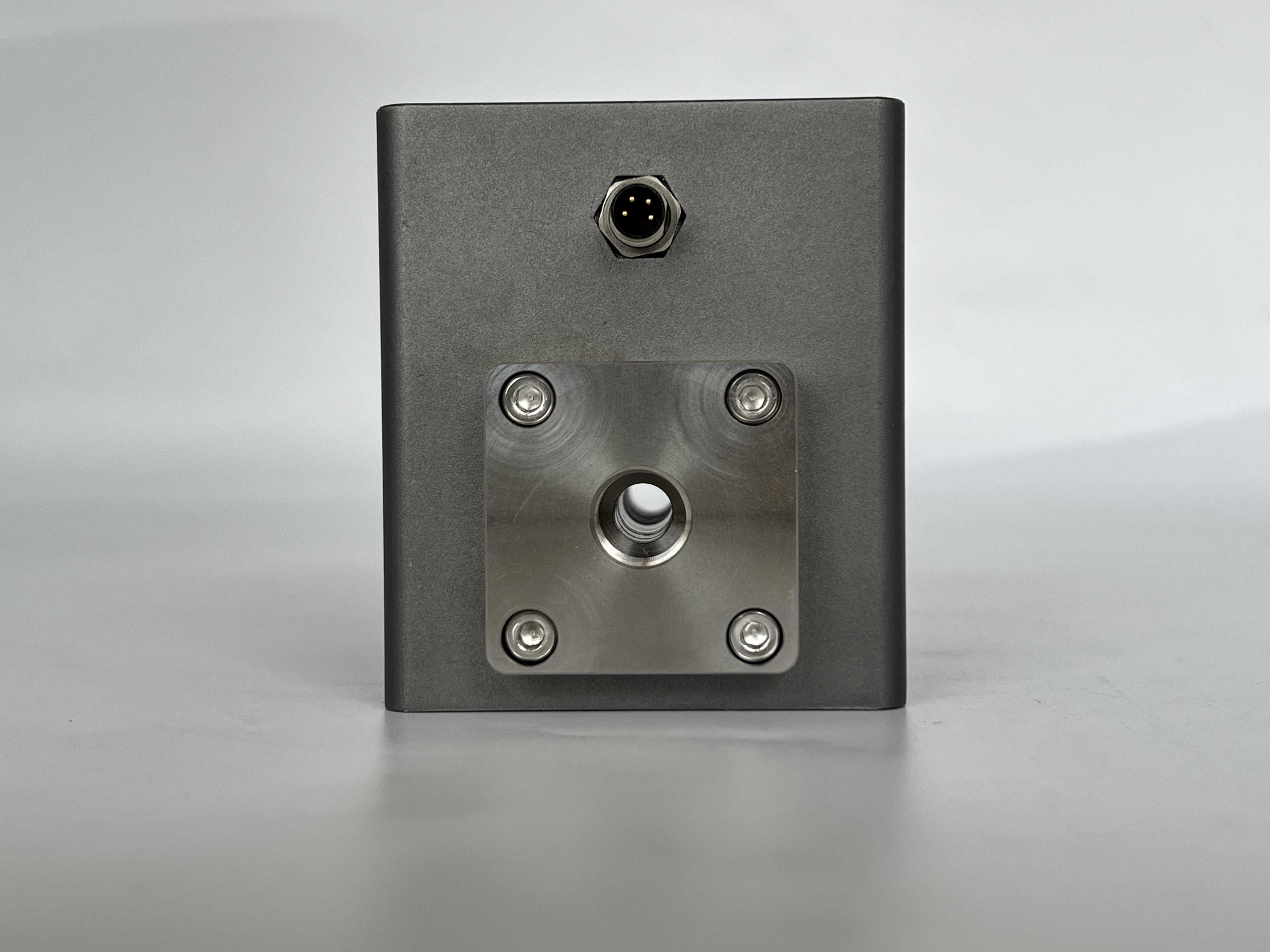
With JOINWE JWM8 sensor fully deployed, industrial maintenance and asset management teams can complete a full strategic shift from reactive breakdown maintenance to proactive predictive maintenance-a transformative upgrade that eliminates unexpected downtime and protects long-term asset health at its core. Equipment managers gain full, real-time visibility into the dynamic concentration and growth trends of metal particles within the oil circuit, with instant alerts triggered at the first sign of abnormal wear, with no delays, gaps or lagging data to compromise critical maintenance decisions.
Instead of waiting for a catastrophic failure or relying on delayed lab results, maintenance teams can identify early warning signs immediately, schedule targeted maintenance, perform oil changes, and repair components before minor damage escalates. This eliminates the risk of unexpected downtime and prevents small wear issues from turning into irreversible equipment failure.
JOINWE’s Oil Metal Wear Particle Sensors drive full digitalization and smart transformation for industrial oil condition management. Designed exclusively for global industrial customers, our solutions combine rugged industrial-grade design, consistent long-term performance and user-friendly plug-and-play usability, providing round-the-clock protection for core production equipment and delivering sustainable cost savings, efficiency gains and safety improvements for enterprises across global manufacturing and heavy industry sectors.